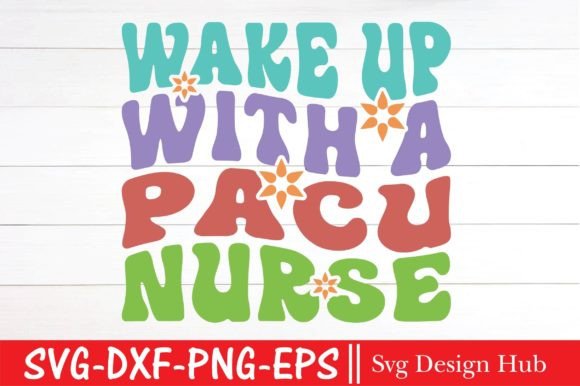
Reviewing the Wake Up with a Pacu Nurse Svg for Embroidery
As a designer who spends half my life digitizing and the other half stitching, I have learned that not every graphic translates well to thread. When I first encountered the Wake Up with a Pacu Nurse Svg, my initial reaction was one of cautious optimism. The phrase itself carries a specific, relatable humor that resonates deeply within the nursing community, particularly among those working in Post-Anesthesia Care Units. However, knowing that this product is listed primarily under T-Shirt Designs and described as a digital download in SVG, PNG, EPS, and DXF formats, I had to pause and evaluate its viability for actual embroidery work.
This review is not about how the design looks on a screen or how it cuts on a vinyl plotter. It is about how this graphic holds up when subjected to the mechanical realities of an embroidery machine. For Etsy sellers, craft business owners, and handmade shop proprietors, understanding the difference between a cut file and a stitchable asset is crucial for maintaining professional standards and customer trust.
First Impressions and Visual Personality
The mood of the Wake Up with a Pacu Nurse Svg is playful yet professional. It captures the weary but dedicated spirit of healthcare workers who start their shifts early and deal with high-stress environments. Visually, the layout appears clean, which is a positive sign for embroidery. Complex, cluttered graphics often result in messy stitching, especially when scaled down for smaller items like baby clothes or caps. The visual personality here suggests a design that relies on clear typography and perhaps simple iconography, which generally translates well to satin stitch or fill stitch applications.
For those of us creating custom apparel or personalized gifts, the appeal lies in the specificity of the message. A generic "Nurse" design is common, but a PACU-specific quote creates an immediate connection with the recipient. This specificity enhances the perceived value of the finished product, making it an ideal candidate for boutique branding or small shop merchandise where niche targeting is key.
Real-World Application: The Sweatshirt Test
To truly evaluate this design, I imagined a real-life scenario: a custom order for a group of PACU nurses looking for matching crewneck sweatshirts for a team-building event. This is a common request for embroidery designers. The challenge with sweatshirt embroidery is managing the pile of the fabric and ensuring the design does not sink into the fleece.
If I were to use this machine embroidery design concept on a heavyweight cotton blend, I would need to consider the stitch density carefully. Since the source file is provided as vector graphics (SVG, EPS) and raster images (PNG), it is not yet a native embroidery file format like DST or PES. This means the designer must digitize it themselves or convert it using software. During this conversion, one must ensure that the lettering is thick enough to be legible but not so dense that it causes puckering. A running stitch outline might help define the edges on textured fabrics, while a light fill stitch could provide substance without adding excessive bulk.
The result, if executed correctly, would be a crisp, professional-looking emblem that stands out against the soft background of the sweatshirt. It transforms a simple garment into a meaningful piece of team identity, boosting buyer engagement and pride among the wearers.
Navigating Fabric and Hoop Constraints
While the design shows promise, there are areas where caution is necessary. Embroidery on curved surfaces, such as caps or hats, requires a different approach than flat items like tote bags or aprons. If you plan to use the Wake Up with a Pacu Nurse Svg on a cap, you must check the width of the design against your hoop size. Many standard caps have limited vertical and horizontal space. If the text is too long, it may wrap around the curve awkwardly, distorting the readability.
Furthermore, consider the fabric texture. On thin or stretchy fabrics, such as performance tees or baby onesies, high stitch density can cause distortion. In these cases, using a proper stabilizer is non-negotiable. A cut-away stabilizer might be best for garments that will undergo frequent washing, ensuring the design remains intact over time. For dark fabrics, thread color contrast becomes critical. Light-colored threads on dark navy scrubs or black tote bags will pop, but you must ensure the digitizing accounts for any underlay stitches to prevent the background fabric from showing through.
Practical Notes for the Craft Business Owner
Before listing this as a finished product or offering it as a service, there are several practical steps to take. First, always test the design on scrap fabric that matches your client’s material. This allows you to adjust tension and density before committing to the final piece. Second, verify the licensing terms. While the product description mentions it is a digital download for Cricut and other cutting machines, commercial use rights for embroidered items should be explicitly confirmed. Selling physical goods made from digital assets often requires a different license than personal use.
Additionally, create printable mockups to show clients how the design will look on different items. A black and white mockup can help assess contrast and clarity without the distraction of color. Compare how the design looks on light versus dark backgrounds to offer informed recommendations to your customers. This level of professionalism builds trust and reduces the likelihood of returns or dissatisfaction.
Enhancing Product Value and Brand Consistency
Incorporating the Wake Up with a Pacu Nurse Svg into your repertoire can significantly enhance your brand’s appeal to healthcare professionals. It shows that you understand their unique culture and challenges. Whether used for holiday embroidery gifts, wedding presents for nurse couples, or everyday custom apparel, the design serves as a conversation starter. It adds a layer of personality to otherwise standard items like pillow covers, kitchen towels, or tote bag designs.
For digital product sellers, this graphic can be part of a larger bundle of nurse quotes svg files, offering variety to customers who want to create their own projects. However, for those selling finished handmade products, the quality of the stitch-out is what defines your brand. Ensure that every jump stitch is trimmed, and the back of the embroidery is as neat as the front. This attention to detail distinguishes a hobbyist from a professional embroidery designer.
Ultimately, the success of this design in your shop depends on execution. By treating the SVG as a starting point for careful digitizing and thoughtful application, you can create high-quality, memorable items that resonate with your audience. Whether it is an embroidered patch for a scrub cap or a large design on a blanket, the key is balancing aesthetic appeal with technical precision.
Remember to check the specific file formats provided. Since the package includes SVG, PNG, EPS, and DXF, you have the flexibility to resize and manipulate the graphic before digitizing. Use this flexibility to optimize the design for each specific project, ensuring that the final stitch-out is clean, durable, and visually striking. This approach not only satisfies the customer but also reinforces your reputation as a skilled and reliable creator in the competitive world of craft business and custom embroidery.