Reviewing In My Nurse Era SVG for Embroidery
As a designer who has spent years translating digital vectors into thread, I approach every new machine embroidery design with a mix of excitement and skepticism. We have all been there: downloading a file that looks crisp on screen but turns into a tangled mess of bird nests on the hoop. Recently, I evaluated In My Nurse Era SVG, Nurse SVG Design to see if it holds up under the needle. This is not just about aesthetics; it is about functionality, durability, and marketability for those of us running craft businesses or creating personalized gifts.
First Impressions and Visual Personality
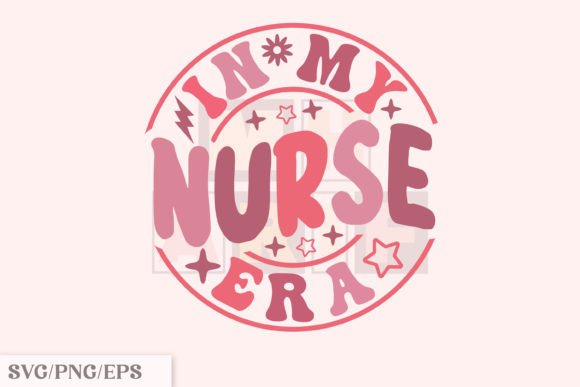
The phrase "In My Nurse Era" taps into a current cultural moment, blending professional pride with a trendy, relatable aesthetic. When I first opened the files provided by the store—specifically the SVG and high-resolution PNG—I was looking for clean lines and balanced spacing. For an embroidery project, negative space is just as important as the design itself. The layout of this graphic suggests a modern, bold typography style that pairs well with simple iconography.
The mood is confident yet approachable. It does not scream for attention with overly complex details that might get lost in stitching. Instead, it relies on strong letterforms and clear statements. This visual personality makes it ideal for custom apparel where readability is key. Whether you are digitizing this yourself from the provided vector files or using it as a reference for applique, the foundation is solid. The design feels native to the healthcare community, offering a sense of belonging and identity that resonates with nurses, nursing students, and medical professionals.
Real-World Application: The Tote Bag Test
To truly understand how In My Nurse Era SVG, Nurse SVG Design performs, I imagined a specific real-life scenario: creating a sturdy canvas tote bag for a nursing student’s clinical rotation. This is a high-use item that needs to look professional while withstanding daily wear. Using the EPS or SVG file as a guide, I considered how the design would translate to a medium-weight cotton canvas.
For a tote, a fill stitch approach works best for larger letters to ensure coverage and durability. However, if the design includes smaller decorative elements, switching to a satin stitch can provide a nice textural contrast. The key here is balance. If the design is too dense, the fabric may pucker. If it is too sparse, the canvas texture might show through, reducing the perceived quality of the handmade product. Based on the clean lines of this graphic, it adapts well to various stitch types, allowing the creator to choose between a sleek, modern look or a more textured, traditional embroidery feel.
Versatility Across Product Lines
Beyond tote bags, this design shines in several other categories. For sweatshirt embroidery, the bold nature of the text ensures it remains legible even from a distance. On a fleece or cotton blend, using a cutaway stabilizer is crucial to prevent the heavy stitches from distorting the garment over time. For baby embroidery items, such as onesies for the children of healthcare workers, the design might need to be scaled down. Here, caution is required. Tiny lettering can become illegible if the stitch count is too high for the small area. Always test on scrap fabric first to ensure clarity.
It also serves as an excellent candidate for embroidered patch creation. Patches allow for higher stitch density without worrying about fabric distortion, making them perfect for intricate versions of this design. These patches can then be sold as standalone design assets or attached to scrubs, caps, and backpacks, adding value to your Etsy seller inventory.
Technical Considerations for Stitching
While the visual appeal is strong, technical execution determines the success of the finished product. Since the product description mentions receiving SVG, PNG, EPS files, it is important to note that these are primarily graphic formats. If you are using an embroidery machine, you will likely need to digitize the design or use software that converts these vectors into stitch files. This step is critical. Automatic conversion can sometimes result in poor stitch paths, excessive jump stitches, or incorrect underlay.
Pay close attention to stitch density. For dark fabrics, you may need a denser fill to prevent the background color from showing through. For light or thin fabrics, reduce the density to avoid puckering. Thread color choice also plays a massive role. High-contrast threads, such as white or light blue on navy scrubs, make the design pop. Monochromatic schemes, like tonal greys on black, offer a subtle, sophisticated look suitable for boutique branding.
Be mindful of curved surfaces like caps. The center front panel of a cap has limited space and curvature. Placing a wide design like this on a cap requires careful hooping and possibly breaking the design into smaller sections if it exceeds the hoop size. Always check your machine’s maximum hoop dimensions before starting.
Commercial Viability and Brand Trust
For small shop product creators and commercial embroidery professionals, consistency is key. Using a high-quality base design like In My Nurse Era SVG, Nurse SVG Design helps maintain brand consistency. Customers associate clean, well-stitched designs with professionalism. A sloppy embroidery job can damage your reputation, while a crisp, well-executed design builds trust and encourages repeat business.
This design fits well into seasonal promotions, such as holiday embroidery gifts for Nurses Week or Christmas presents for medical staff. It also works for everyday personalized gift options. By offering this design on various items—from tote bag design concepts to aprons for nurse educators—you diversify your income streams. The versatility of the graphic allows it to be marketed across different niches within the healthcare sector.
Final Designer Notes
Before launching this design in your store or using it for client work, take these practical steps:
- Test on Scrap Fabric: Never skip this step. Test on the exact fabric type you plan to use for the final product.
- Check Stabilizer Compatibility: Use tear-away for stable woven fabrics and cut-away for stretchy knits like t-shirts and sweatshirts.
- Verify Licensing: The product description states it is a unique design from the store. Ensure you understand the terms for commercial use. Can you sell finished physical items? Can you resell the digital file? Clarify this with the seller if not explicitly stated.
- Mockup Review: Create printable mockups or digital previews to show customers how the design looks on different colors and products. This helps manage expectations and reduces returns.
- Inspect Small Details: If digitizing, ensure that small dots or i-dots are secured properly to prevent unraveling after washing.
In conclusion, In My Nurse Era SVG, Nurse SVG Design offers a strong foundation for creative entrepreneurs. Its clean layout and relevant theme make it a versatile asset for T-Shirt Designs and broader Graphics applications. With careful attention to digitization, stabilizer choice, and fabric selection, it can become a staple in your embroidery portfolio, driving engagement and sales for your craft business.