Reviewing the My Valentine Call Me Nurse SVG Design
As a designer who spends half my life digitizing and the other half stitching, I have learned to look past the glossy mockups. When I first pulled up the My Valentine Call Me Nurse SVG Design, I was not just looking for a cute graphic. I was evaluating its potential as a viable machine embroidery design for real-world application. The healthcare community is a massive market for personalized gifts, and Valentine’s Day offers a unique opportunity to blend professional pride with seasonal warmth. This review breaks down how this specific asset performs when moved from a digital screen to actual fabric.
First Impressions and Visual Personality
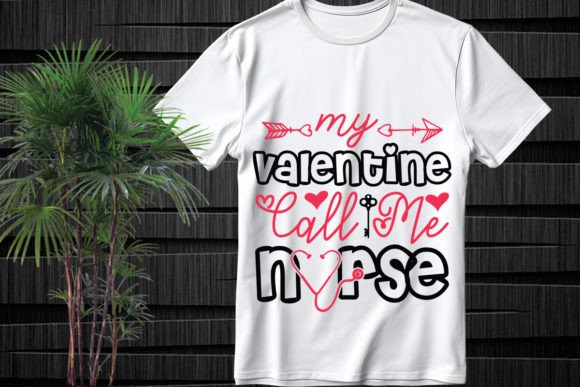
The initial visual impact of this design is balanced. It avoids the clutter that often plagues holiday-themed graphics. The layout combines thematic Valentine elements with clear nursing iconography, creating a mood that is both affectionate and professional. For an embroidery project, clarity is king. If the lines are too thin or the shapes too complex, the thread will merge, and the message will be lost. This design appears to have sufficient spacing between elements, which is critical for maintaining stitch definition.
The color palette suggested in the preview files—typically reds, pinks, and whites for this theme—translates well to thread. However, as an experienced reviewer, I always look at the black and white versions first. The included PNG files in black and white allow me to check contrast without the distraction of color. A design that holds up in monochrome usually has strong structural integrity, meaning it will survive the transition to satin stitch and fill stitch applications without losing its shape.
Real-World Application: The Sweatshirt Test
To truly test this design, I imagined a common client request: a custom Valentine’s gift for a nurse practitioner. I selected a mid-weight cotton blend sweatshirt as the base. This is a popular choice for custom apparel because it provides a stable surface for stitching. Using the EPS file, which is fully editable, I adjusted the size to fit a standard 5x7 hoop. This size is ideal for chest placements or sleeve accents.
When digitizing or preparing such a graphic for embroidery, one must consider stitch density. Heavy fills on a sweatshirt can cause puckering if not properly stabilized. The design’s open areas work in our favor here, allowing the fabric texture to show through slightly, which adds a premium feel to the finished product. For a handmade product intended for sale, this balance between coverage and breathability is essential for customer comfort.
Versatility Across Product Lines
Beyond sweatshirts, this design shows promise for several other items. For tote bag design projects, the bold lines would stand out against canvas material. Canvas requires a heavier needle and potentially a different stabilizer approach, but the graphic’s simplicity means it should stitch cleanly. For baby embroidery, such as a onesie or bib, I would recommend scaling the design down significantly and using lighter weight threads. The "Call Me Nurse" text must remain legible even at smaller sizes, so testing on scrap fabric is non-negotiable.
It also works well for embroidered patch creation. Patches are trending in boutique branding and craft fair products. By stitching this design onto twill and cutting it out with a merrowed edge, you create a durable accessory that nurses can pin to scrubs or bags. This extends the life of the design assets beyond a single garment.
Technical Considerations for Embroiderers
While the design is visually appealing, there are technical hurdles to address before hitting the start button. The provided files include PNGs and an EPS. It is crucial to note that PNGs are raster images, while EPS is vector. For embroidery machines, you typically need a DST, PES, or JEF file. Since this bundle lists EPS as fully editable, it implies you may need to digitize it yourself or use software that converts vectors to stitch files. Always confirm the specific digital embroidery file formats compatible with your machine before purchasing or committing to a project.
Fabric texture plays a huge role in the outcome. On textured fabrics like terry cloth towels or fuzzy fleece, small details can get lost. I advise using a cut-away stabilizer for these materials to prevent distortion. For stretchy fabrics like jersey knits used in t-shirts, a tear-away stabilizer might suffice, but hooping must be tight to avoid shifting. The design’s linear elements could distort if the fabric moves during stitching.
Challenges with Small Details and Curves
One area requiring caution is the lettering. "Call Me Nurse" involves specific curves and angles. In embroidery, sharp corners can cause thread bunching. If you are digitizing this from the EPS, ensure you use proper underlay stitches and corner tie-offs. For pre-digitized versions, check the stitch path simulation. Tiny serifs or thin lines in the heart motifs should be converted to satin stitches with appropriate width settings to prevent them from looking like sparse running stitches.
Dark fabrics present another challenge. The design includes white variants, which is helpful for mockups, but stitching white thread on dark navy scrubs requires high-quality thread to avoid graying. I recommend using a top-stitch needle and possibly a backing layer of white fabric if the garment is very dark, to ensure the colors pop. This attention to detail elevates the perceived value of the small shop product.
Commercial Viability and Brand Consistency
For Etsy sellers and craft business owners, consistency is key. This design fits well within a broader collection of healthcare-themed graphics. Using a consistent style across your listings helps build brand recognition. The clean lines of this Valentine design allow it to pair well with other medical icons, creating a cohesive shop aesthetic. It appeals to buyers looking for personalized gift options that feel thoughtful rather than mass-produced.
However, licensing is a critical component. Before selling items made with this design, verify the commercial use rights. The description mentions it is part of a bundle, but terms can vary. Ensure you are compliant with the creator’s license regarding digital resale versus physical product sales. Never assume; always read the fine print to protect your business.
Final Verdict for Designers
The My Valentine Call Me Nurse SVG Design is a strong contender for seasonal collections. Its strength lies in its clarity and emotional resonance. It is not overly complex, making it accessible for intermediate embroiderers, yet it has enough character to stand out in a crowded market. By paying attention to stabilizer choices, thread contrast, and hoop sizing, you can transform this digital asset into a high-quality commercial embroidery piece.
Remember to test on scrap fabric first. Check your thread tension. Verify your hoop size. These small steps ensure that the final item meets the high standards your customers expect. Whether you are creating a holiday embroidery special or adding to your year-round T-Shirt Designs catalog, this graphic offers a solid foundation for creative expression. Treat it with the technical respect it deserves, and it will serve your business well.