Review: Retro Nurse SVG Design, Will Trade Medic
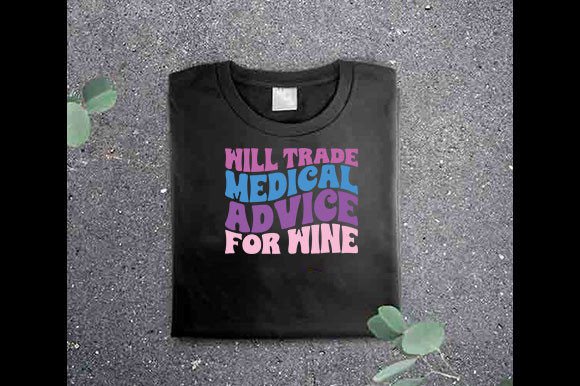
As a designer who has spent years translating digital vectors into thread, I approach every new machine embroidery design with a mix of curiosity and skepticism. We have all seen the flood of generic medical-themed graphics that look crisp on a screen but turn into a tangled mess under the needle. So, when I pulled up the Retro Nurse SVG Design, Will Trade Medic, my first question was not about the humor—though "will trade medical advice for wine" is certainly a relatable sentiment for healthcare workers—but about its structural integrity for real-world stitching.
This review comes from the perspective of someone preparing a custom order for a local boutique. The client wanted a batch of high-quality tote bags and sweatshirts for nursing staff appreciation gifts. They needed something that felt personal, slightly edgy, but still professional enough to be worn in a casual clinical setting or at home. Here is how this specific embroidery file held up during my evaluation process.
First Impressions and Visual Personality
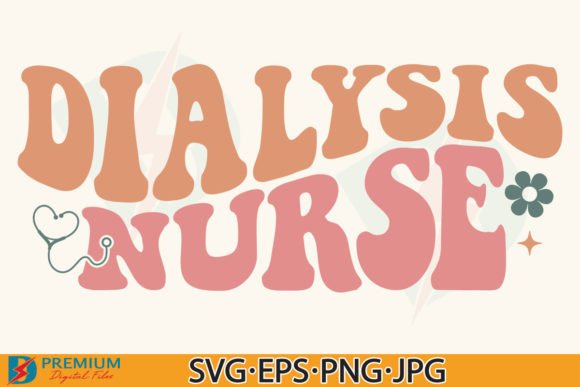
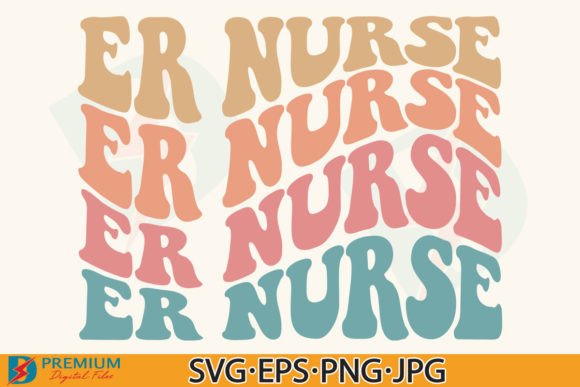
The immediate appeal of the Retro Nurse SVG Design, Will Trade Medic lies in its aesthetic balance. It avoids the sterile, clip-art look that plagues many medical T-Shirt Designs. Instead, it leans into a vintage vibe that feels warm and nostalgic. The layout is clean, with a clear hierarchy between the graphical elements and the typography. For an embroidery project, this is crucial. If the text is too thin or the graphics too intricate, the machine struggles to maintain clarity.
In terms of mood, the design strikes a chord with modern crafters. It is playful without being childish. This makes it versatile for various handmade products, from a cheeky apron for a breakroom to a stylish embroidered patch for a denim jacket. The visual personality suggests confidence and humor, traits that resonate well with the target audience of nurses and medical professionals who deal with high-stress environments daily.
Performance in Real-Life Embroidery Scenarios
To truly test the design, I moved beyond the digital preview. I loaded the files into my software to simulate the stitch path. The ZIP file contains EPS, SVG, PNG, and DXF files, which is a solid starting point for versatility. However, as an embroiderer, I am primarily concerned with how these vectors translate into satin stitch, fill stitch, and running stitch commands.
For a tote bag design, the bold lines of the retro nurse graphic hold up exceptionally well. Canvas fabric provides a stable base, allowing the stitch density to sit flat without puckering. I envisioned this design centered on a heavy-duty cotton tote, using contrasting thread colors like cream or soft pink against a navy or olive background. The result is a high-value personalized gift that feels substantial and durable.
When considering sweatshirt embroidery, the design performs differently. The softer, textured surface of fleece or cotton blend requires careful attention to detail. The retro style’s thicker lines are forgiving here, preventing the design from getting lost in the fabric pile. It works beautifully as a left-chest logo or a larger back print, depending on the hoop capacity. For custom apparel aimed at small business owners or Etsy sellers, this adaptability is a major selling point.
Navigating Technical Challenges
While the design is strong, it is not without its constraints. Any experienced designer knows that not every digital embroidery file is suitable for every application. Here are a few areas where you need to exercise caution with the Retro Nurse SVG Design, Will Trade Medic.
- Small Hoop Sizes: If you are attempting to stitch this on a 4x4 inch hoop for a baby item or a small pocket, you may lose legibility in the smaller text elements. The phrase "will trade medical advice for wine" needs sufficient space to breathe. Always check the minimum recommended size before digitizing or purchasing a pre-digitized version.
- Textured and Stretchy Fabrics: On highly textured fabrics like terry cloth towels or stretchy jersey knits, fine details can distort. Use a cut-away stabilizer for stretchy materials to prevent the design from warping after washing. For towels, a dense fill might pull the loops, so consider adjusting the density if you have control over the digitizing.
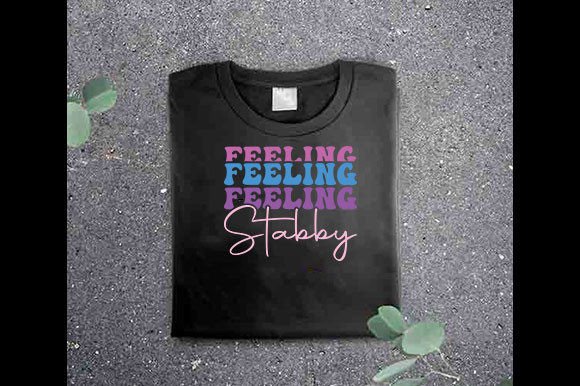
- Dark Fabric Contrast: The retro aesthetic often relies on muted or pastel palettes. On black or dark navy garments, ensure your thread choice has enough contrast. A dark brown thread on a black shirt will vanish. Test your thread colors in a black-and-white mockup first to verify value contrast.
- Curved Surfaces: Applying this to caps or curved hats requires careful hooping. The horizontal width of the design might cause distortion on the front panel of a cap. Consider resizing or breaking the design into smaller components if necessary.
Commercial Viability and Brand Consistency
For Etsy sellers and craft business owners, the commercial appeal of this design is significant. Healthcare workers are a loyal customer base that appreciates recognition and humor. A well-executed finished product featuring this design can command a higher price point because it feels curated rather than mass-produced.
However, professionalism is key. Before listing this as a small shop product, you must verify the licensing terms. The product description mentions it includes various file formats, but it does not explicitly state commercial usage rights for the embroidered items. Always confirm whether the license allows you to sell physical goods made with the design. This step is critical for maintaining buyer trust and avoiding legal issues.
From a branding perspective, this design fits well within a cohesive collection of design assets for medical professionals. It pairs nicely with other retro-inspired Graphics or simple typographic quotes. Using consistent thread palettes across your product line can enhance brand recognition. For example, using the same shade of teal for all nursing-related designs creates a visual signature that customers will remember.
Practical Designer Notes for Execution
Before you commit to a full production run, follow these practical steps to ensure quality:
- Test on Scrap Fabric: Never stitch a new design directly on your final garment. Use a similar fabric scrap to check for registration issues, thread breaks, or excessive trimming.
- Check Stitch Density: If you are digitizing this yourself from the SVG or EPS files, pay close attention to the stitch density. Too dense, and the fabric will pucker; too sparse, and the backing will show through. Aim for a balanced fill that covers the fabric without adding unnecessary bulk.
- Inspect Small Details: Zoom in on the vector files. Look for anchor points that might create jagged edges. Smooth out any unnecessary nodes to ensure cleaner stitch paths.
- Mockup Testing: Create printable mockups or digital previews on different colored backgrounds. This helps you visualize how the design will look on various fabric textures and colors before you cut any material.
- Verify File Compatibility: While the ZIP includes SVG and DXF, most embroidery machines require specific formats like PES, DST, or JEF. Ensure you have the correct conversion tools or purchase a version that includes your machine’s native format.
In conclusion, the Retro Nurse SVG Design, Will Trade Medic is a promising asset for creators looking to add personality to their embroidery project lineup. It bridges the gap between professional respect and human humor, making it ideal for holiday embroidery gifts, appreciation weeks, or everyday wear. With careful attention to stabilizer choice, thread contrast, and sizing, it can become a standout piece in your portfolio. Just remember to do your due diligence on licensing and technical setup to ensure every stitch counts.