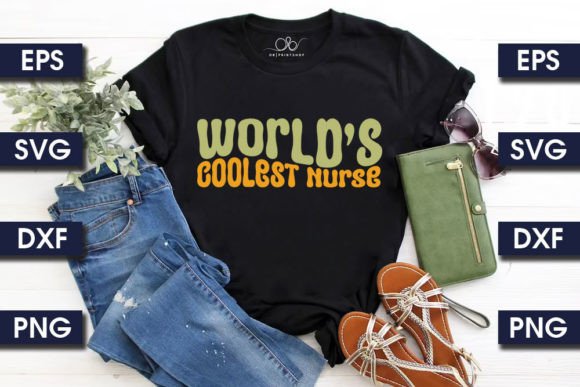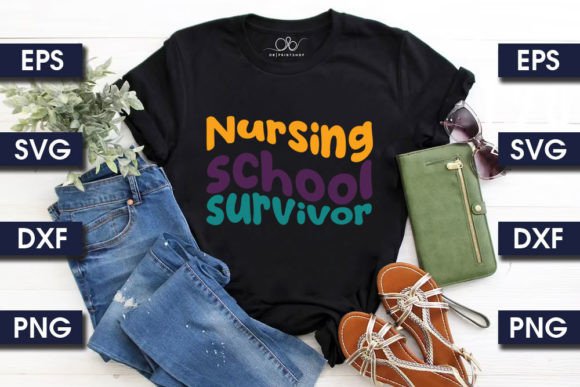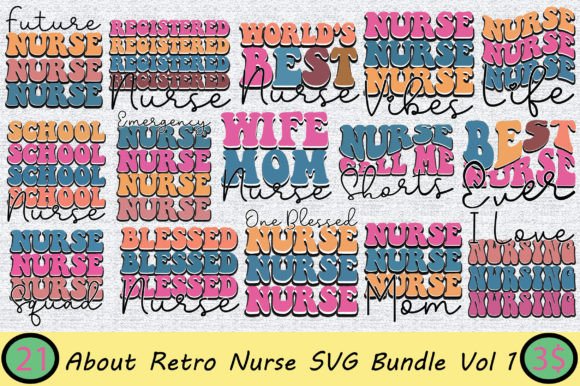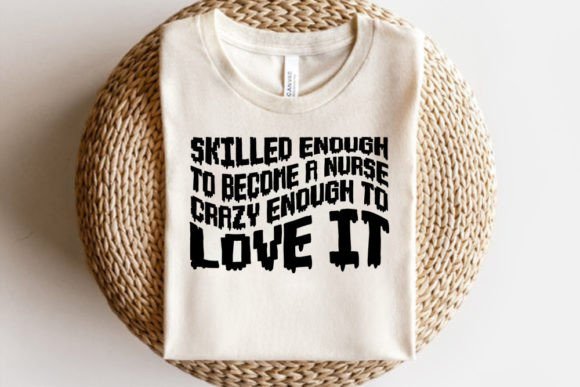
Retro Nurse SVG: A Designer’s Stitch Review
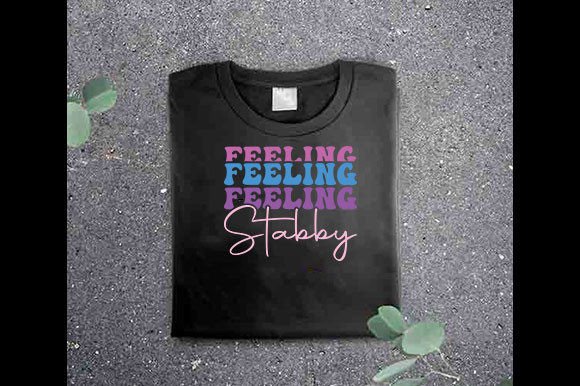
As a designer who has spent countless hours staring at digitizing software and troubleshooting thread breaks, I approach every new machine embroidery design with a mix of optimism and skepticism. We have all been there: you download a file that looks crisp on the screen, only to find it turns into a tangled mess of bird’s nests on the fabric. That is why I took a close, practical look at the Retro Nurse SVG Design, Feeling Stabby. This isn’t just about whether the graphic is cute; it is about whether it holds up under the needle in real-world production.
The first impression of this piece is distinct. It captures that specific mid-century aesthetic—clean lines, bold shapes, and a touch of dark humor that resonates with modern healthcare workers and nursing students alike. The theme "Feeling Stabby" adds a layer of personality that moves it beyond generic medical clipart. For an embroidery project, this visual personality is crucial. It tells a story before the customer even touches the fabric. However, as we know, a good graphic does not always equal a good embroidery file. The transition from vector art to stitched thread requires careful consideration of density and flow.
Real-World Application: Beyond the Screen
To truly evaluate this design, I imagined it in a live scenario. Let’s say you are preparing a custom order for a local clinic’s holiday party. You want to create a set of personalized tote bags or perhaps a high-quality apron for the break room. The Retro Nurse SVG Design, Feeling Stabby fits naturally here. Its retro vibe pairs beautifully with canvas tote materials or heavy cotton twill. When I visualize this on a tote bag design, the bold outlines suggest it would stitch out cleanly using a combination of satin stitch for the borders and a light fill stitch for any shaded areas, provided the digitizer has optimized the pathing.
Another strong contender for this graphic is sweatshirt embroidery. Crewnecks and hoodies are staples in the nursing community. The design’s layout seems balanced enough to sit comfortably on the left chest or as a larger back print. However, because sweatshirt fabric is thick and often fuzzy, you must consider how the details translate. If the design includes tiny text or intricate shading, it might get lost in the pile of the fleece. In such cases, I recommend testing a version with simplified details or using an applique design technique where the graphic is cut from fabric and stitched down, reducing bulk and increasing clarity.
Navigating Fabric and Hoop Constraints
One of the most critical aspects of using any digital embroidery file is understanding its limitations regarding hoop size and fabric type. The ZIP file for this product contains EPS, SVG, PNG, and DXF files. This is important to note because these are primarily vector and raster graphics formats, not native machine embroidery formats like PES or DST. As an experienced reviewer, I must advise that you will need to use digitizing software to convert these graphics into a stitch file, or ensure you are using a cutting machine for vinyl applications if that is your business model. If you are digitizing it yourself, pay close attention to stitch density.
For curved surfaces like caps or hats, this design requires caution. The "Feeling Stabby" text, if present in the graphic, needs to be arched correctly to avoid distortion. On a structured cap, a dense design can cause puckering. Here, your choice of stabilizer becomes non-negotiable. A heavy-duty cut-away stabilizer is likely necessary to support the weight of the threads, especially if you are using metallic or variegated thread colors to enhance the retro feel.
When working with thin or stretchy fabrics, such as those used in baby embroidery items or lightweight t-shirts, the risk of pull increases. If you plan to use this on a T-Shirt Designs lineup, consider backing the area with a fusible interfacing before hooping. This adds stability without adding excessive stiffness to the finished product. Always test on scrap fabric first. Do not assume the design will behave the same way on jersey knit as it does on woven cotton.
Commercial Viability and Brand Consistency
For Etsy sellers and small shop owners, the commercial appeal of this design lies in its niche specificity. It targets a passionate audience: nurses who appreciate humor and vintage style. This specificity drives buyer engagement. When you list this as part of your craft business inventory, ensure your product photos highlight the texture of the stitches. A flat printable mockup can show the layout, but only a photo of the actual stitched item builds trust. Customers want to see that the satin edges are smooth and the fills are even.
From a branding perspective, consistency is key. If your shop specializes in medical-themed gifts, this design assets fits seamlessly. It can be adapted for various products: pillow covers for nurse dorm rooms, kitchen towels for break rooms, or even patches for scrub jackets. An embroidered patch is a particularly smart application. By stitching the design onto a sturdy twill background and then cutting it out, you create a versatile accessory that can be ironed or sewn onto various garments. This expands your product line without requiring you to digitize separate files for every garment type.
Practical Notes for the Maker
Before you commit to a large production run, keep these technical checks in mind:
- Check Thread Contrast: Retro designs often rely on specific color palettes. Ensure your thread colors contrast sufficiently with the fabric. A dark design on a dark navy scrub top will vanish.
- Inspect Small Details: Look closely at the SVG or EPS files. Are there tiny elements that might not survive the stitching process? Simplify if necessary.
- Verify Licensing: Since this package provides graphics (SVG, EPS, etc.), confirm the license terms. Can you use these vectors to create physical goods for sale? Can you resell the digital files? Always clarify this before listing items in your small shop product catalog.
- Test Black and White: View the design in grayscale. If the visual impact relies solely on color, it may lack structural integrity in stitch form. Good embroidery design stands up even in monochrome.
In conclusion, the Retro Nurse SVG Design, Feeling Stabby offers a strong foundation for creative entrepreneurs. It is not just a graphic; it is a potential bestseller if handled with technical precision. Whether you are creating holiday embroidery gifts or building a year-round line of custom apparel, this design rewards careful preparation. Respect the fabric, choose the right stabilizer, and let the retro charm shine through clean, professional stitching. Your customers will notice the difference between a rushed job and a thoughtfully crafted handmade product.